Choosing where to stay in Amboseli is as much about choosing your daily rhythm as it is about choosing a lodge. The park has three broad stay zones, each with different access patterns, different price points, and different suitability by traveller type. Getting the zone right often matters more than getting the specific lodge right.
The three zones are: inside the park or very close to the main gate, the Kimana side and buffer areas on the eastern approach, and the private conservancy areas that sit around the park perimeter. Each one suits a different kind of trip.
There is no universally best zone. The right choice depends on what you are trying to do, how long you are staying, how you are arriving, and whether the dominant priority is access, value, or atmosphere.
Inside the Park and Near-Gate Areas
Inside-the-park stays and near-gate options are the most immediately practical for first-time visitors and guests on short itineraries.
The core advantage is access speed. If your lodge is inside the park boundary or within a few minutes of the Amboseli gate, your morning game drive begins as soon as you leave camp. There is no extended road transfer before reaching wildlife country, which matters significantly on a two-night stay where every hour counts.
Inside-park and near-gate stays tend to have the most established safari infrastructure: well-maintained vehicles, reliable guide networks, and a daily drive structure that is easy for guests unfamiliar with how Amboseli works.
Best for:
- First-time visitors
- Guests with short itineraries (two nights)
- Travellers who want the safari to feel immediate and uncomplicated
- Anyone arriving by road from Nairobi who wants to minimize late-day driving time before check-in
The tradeoff is that these areas can feel more crowded, particularly during peak season. The central park zones attract the most vehicles, and popular viewpoints and wetland areas can have multiple vehicles at once.
Kimana Side and Buffer Zone Areas
The Kimana approach covers stays on the eastern side of the ecosystem, including camps near Kimana Gate and the buffer zones that sit between the park boundary and the surrounding community land.
This zone is the value sweet spot of Amboseli accommodation. The majority of mid-range and budget stays in the ecosystem sit here, and access to the park is reasonable from most of these properties. The road entry from Nairobi via Namanga aligns naturally with Kimana-side arrival, which means less in-trip navigation complexity for road-transfer groups.
Kimana is also where many family camps with larger room configurations and more practical setups are found. The price differential compared to premium inside-park options or conservancy stays can be significant.
Best for:
- Budget and mid-range travellers
- Road arrivals from Nairobi
- Families who want practical logistics more than boutique atmosphere
- Groups with mixed preferences and budgets
The tradeoff is that Kimana-side stays typically require a short drive to reach the park gate, adding a small amount of time to each game drive departure. On longer stays this barely registers. On a one-night trip it can feel more noticeable.
Private Conservancy Areas
The conservancy zone covers private landholdings around the Amboseli perimeter where higher-end properties operate in low-density tourism models. Tawi Lodge and Satao Elerai are the most cited names in this zone.
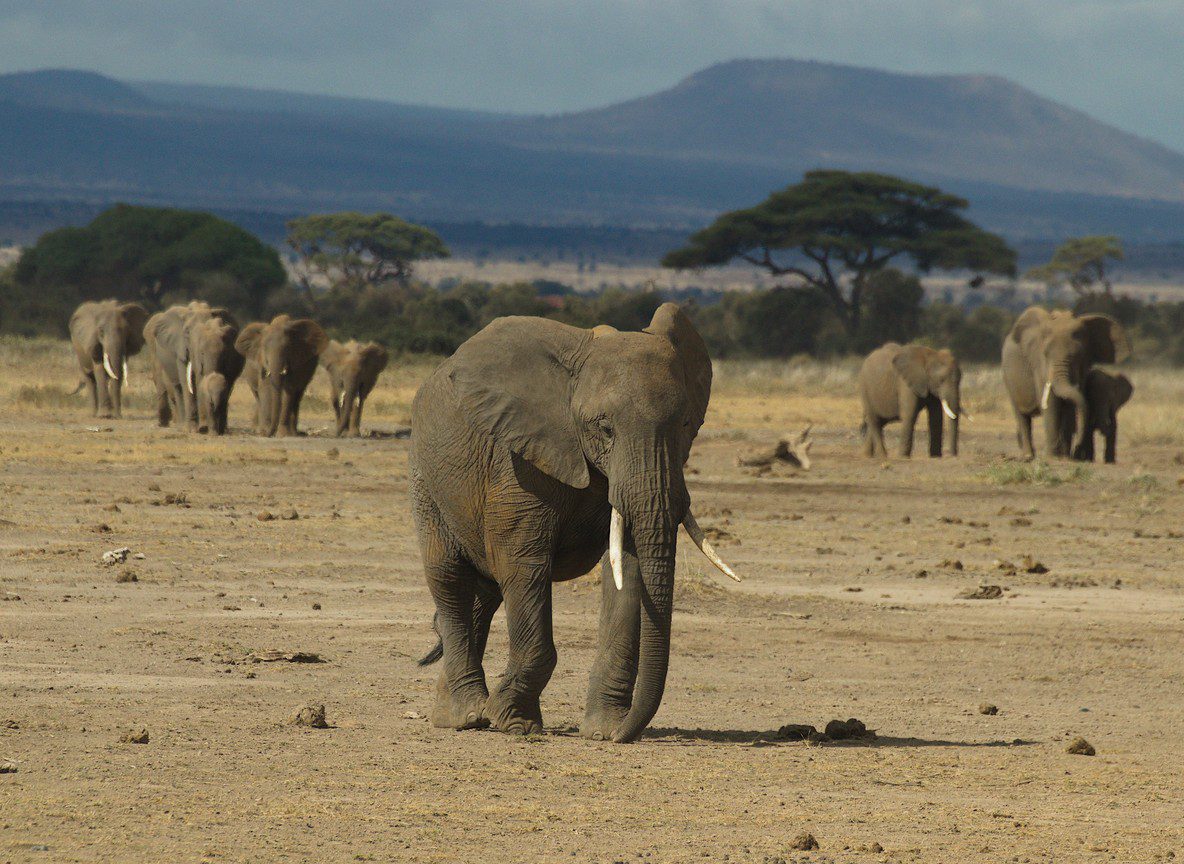
What the conservancy areas offer that neither the inside-park nor Kimana-side zones can match is atmosphere and privacy. Camps here tend to be smaller, quieter, and more retreat-like. Elephant sightings close to camp, rather than only during game drives, are a genuine feature of some of these properties rather than a marketing promise.
The conservancy model also has a different conservation character. Some properties in this zone have direct relationships with community landowners, and the conservation story is more visible to guests.
Best for:
- Luxury travellers and honeymooners
- Couples who want atmosphere as much as wildlife access
- Guests who want a quieter, less vehicle-heavy experience
- Repeat safari visitors who already know the park and want a different angle on it
The tradeoff is cost: conservancy camps are the most expensive zone in Amboseli, and the daily transfer to and from the core park zones adds a small amount of logistics. For one-night stays, the premium may not justify the access reduction. For three nights or more, the experience difference is significant.
Best Area by Traveller Type
| Traveller Type | Best Area | Core Reason |
|---|---|---|
| First-time visitor | Inside park or near main gate | Easiest access, cleanest daily rhythm |
| Family with children | Near-gate or Kimana side | Practical room configs, road-transfer aligned |
| Honeymoon or couple | Conservancy area | Privacy, atmosphere, elephants near camp |
| Budget traveller | Kimana side or buffer zone | Best value without sacrificing access |
| Photographer | Inside park near wetlands | Repeated dawn access to productive zones |
| Fly-in guest | Conservancy or premium inside-park | Transfer fatigue low; stay atmosphere more central |
Should You Split Stays Between Zones
Splitting between two zones within a single Amboseli trip can work, but it is usually worth doing only if the trip is three nights or longer.
A useful split might combine two nights in an inside-park property for pure wildlife access with one night in a conservancy camp for atmosphere and privacy. That gives you the best of both logics within one trip without sacrificing too much time to moving.
On shorter trips, particularly two nights, moving once adds friction that rarely pays off. One well-chosen zone for the whole stay is almost always the stronger plan.
The exception is when one property in the preferred zone is unavailable for your dates. In that case, mixing zones pragmatically makes more sense than holding out for a specific camp.
A Fast Way to Choose Your Area
If you are still uncertain, answer this single question first: what matters most on this specific trip?
- Easiest safari rhythm: inside the park or near the main gate
- Best value for a practical mid-range stay: Kimana side
- Privacy, romance, and atmosphere: conservancy areas
- Smoothest road arrival from Nairobi: near-gate and Kimana-side areas
- Photography access to wetland zones: inside-park stays near the swamp margins
That single filter is usually enough to narrow the right zone. From there, the individual camp choice follows naturally from budget and room requirements.
Explorer Notes: What Changes By Season
The Amboseli zones do not change character dramatically between seasons, but a few practical points differ.
In the dry season from June through October, inside-park stays near the wetlands become particularly productive because the dry conditions concentrate wildlife around permanent water. The central Amboseli swamps become the primary draw and inside-park positioning gives the most efficient access to them.
In the wet season, roads within and around the park can become challenging, particularly on less-maintained tracks. Stays closer to established gates and paved routes within the park are more reliable in this period. Conservancy-side properties on well-graded tracks are generally less affected.
Practical Planning
Internal reading: For specific camp comparisons within each Amboseli zone, touringinsights.com has detailed coverage of how different accommodation types perform across seasons and traveller types.
External reference: trunktrailssafaris.com provides practical zone comparisons and explains how the choice of area affects day-to-day game drive structure on trips of different lengths.
One principle worth keeping: The best Amboseli area is the one that matches your trip purpose. A zone with a fancier label but worse access for your specific travel style is not a better choice. Start with the zone question before comparing individual lodge names.
Have questions about this itinerary or destination? Get answers from a safari specialist before you commit.
Inquire MoreFurther reading
- African Wildlife Foundation
- Maasai Mara Wildlife Conservancies Association
- Magical Kenya (Kenya Tourism Board)